

News
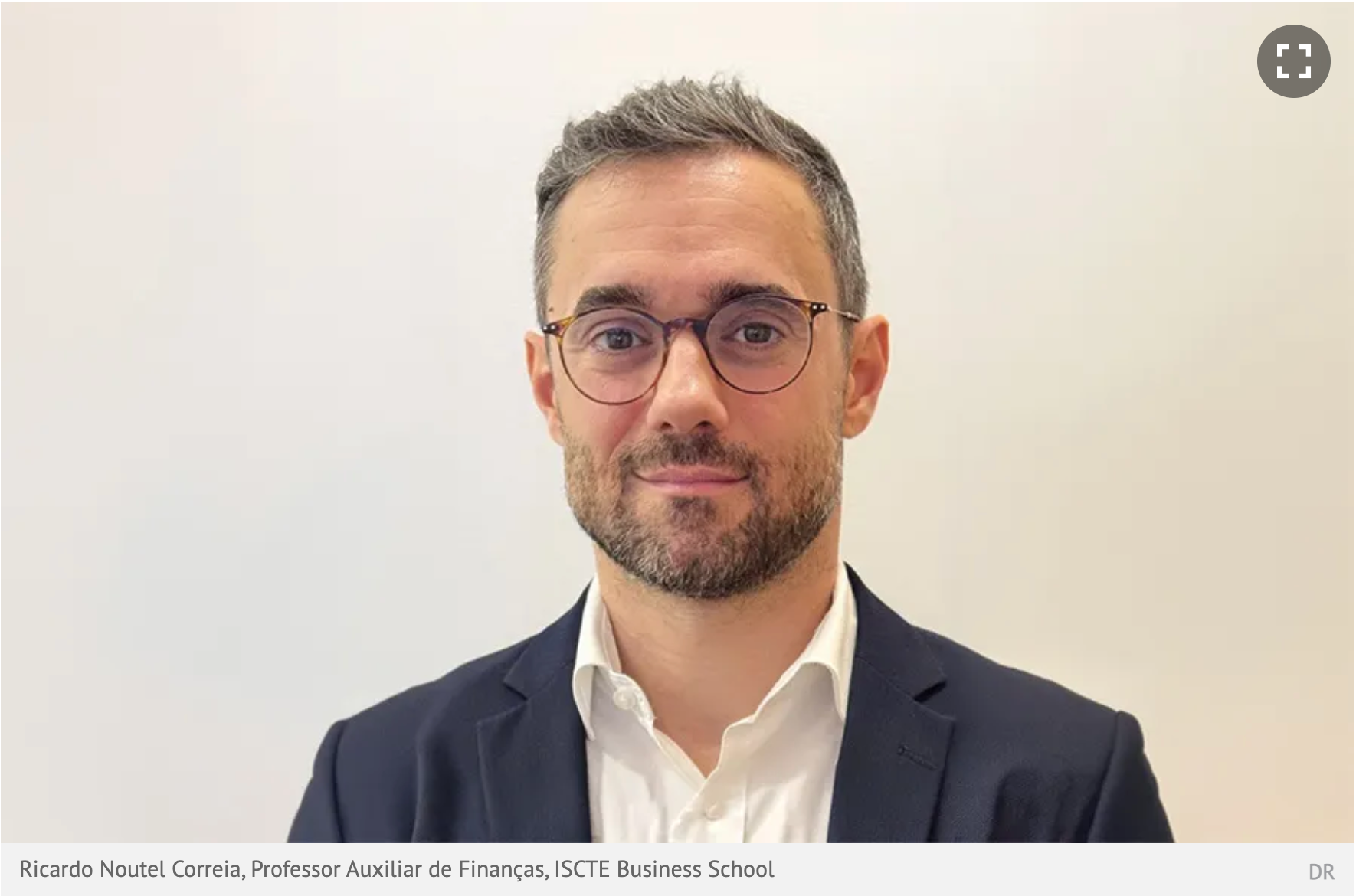
Ricardo Noutel Correia, Assistant Professor of Finance at Iscte Business School, has written an opinion article published on 18 November in Jornal de Negócios, a leading Portuguese business daily. The article is part of Jogo da Bolsa, a stock market simulation game sponsored by Iscte Business School as university partner.
The author starts from the growing importance of long-term saving as a complement to retirement income, at a time when most pension systems are expected to be unable to pay a pension close to a person’s final salary. For him, financial markets are the natural way to grow these savings. In a long-term strategy, it is essential to invest in instruments that offset inflation, which, he argues, term deposits and Portuguese government savings certificates have not done. Higher returns mean taking on more risk, and the prudent way to do so is to diversify.
Ricardo Noutel Correia points to investment funds as a cheaper and simpler alternative to building one’s own portfolio. He distinguishes two approaches:
- Active management: charges higher fees with the promise of higher returns. According to the author, most of these funds fail to beat their benchmarks.
- Passive management (index funds): tracks a market benchmark and charges lower fees.
As an example, he looks at funds that track the S&P 500. Between 1927 and 2025, the index recorded an average compound annual return of 6%, based on nominal year-end prices. Fewer than a third of those years ended in negative territory. Across all rolling 40-year periods, the average annual return never fell below 4%.
He concludes that there are no miracle strategies, but that the risk-return profile of an index fund fits a long-term strategy well.
Read the full article (in Portuguese), “Poupança de longo prazo: investir com fundos indexados”, in Jornal de Negócios.